
Warehouse automation for electronics manufacturing
Warehouse automation connects material storage, transport and inventory data. allSMT works with you to plan the route from receiving through the SMT line to return-to-stock.
01
Storage systems
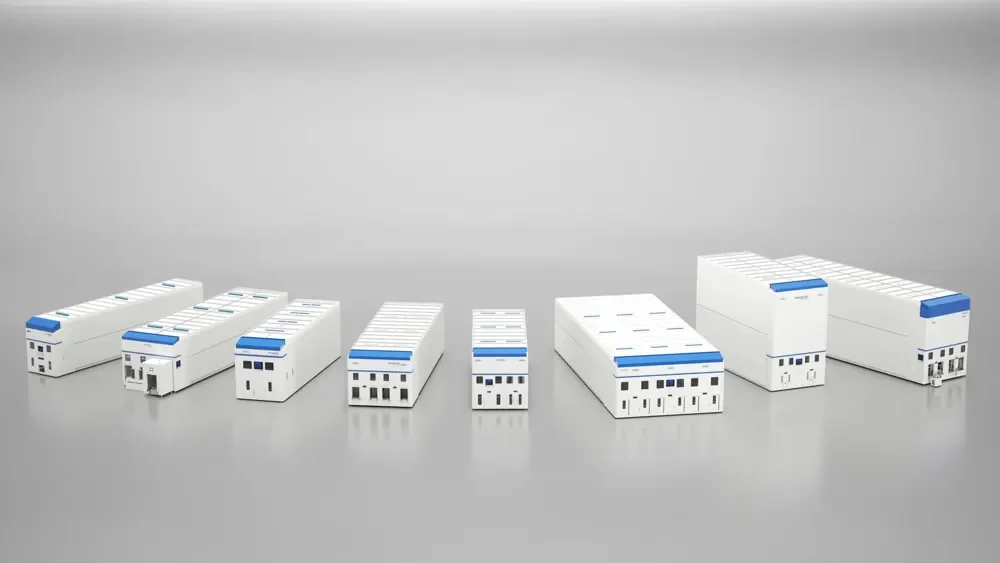
Automated storage systems for SMT, SMD and THT processes. We consider your material mix, floor space and retrieval requirements.
02
Material flow automation
Align transport, buffers and handovers to create a material flow that fits production.

03
Software & material tracking
Connect inventory, movements and material identity as a basis for traceable decisions in storage and production.

Practical questions
What is included in automated material supply?
It includes coordinated storage, transport and information processes: storing materials, preparing orders, supplying the line and updating inventory. We define the automation scope for your project.
Does the entire factory need to change at once?
We recommend defining a limited initial scope: for example, one storage area and one supplied line, the associated transactions and clear acceptance criteria. We assess staged expansion against the selected systems.
Explore this solutionHow should we assess the business case for warehouse automation?
Compare current searching, picking, transport and stock-correction effort with the planned process. Include investment, integration, operation and maintenance in the same calculation. A generic payback period would not be reliable without your operating data.
Explore this solutionHow does high-mix, low-volume production change warehouse planning?
Many variants and small batches create frequent changeovers, partial quantities and returns to stock. Planning should therefore consider order changes and reels needed at the same time, alongside total inventory. We recommend comparing a typical production mix with a peak-demand scenario: which materials must be ready when, which remain on the setup trolley and which return to storage?
Explore this solutionWhat should FAT and SAT cover for a storage solution?
FAT is factory acceptance testing; SAT is site acceptance testing. Agree test cases using actual packages: putaway, picking, returns, blocked stock and inventory reconciliation. At the site, include the real interfaces, routes and handovers. An unreadable label, an occupied handover station and recovery after an interruption should also be part of the agreed test plan.
Explore this solution